Thursday, February 4, 2016

Independent Component 1

1. Literal
2. Interpretive 
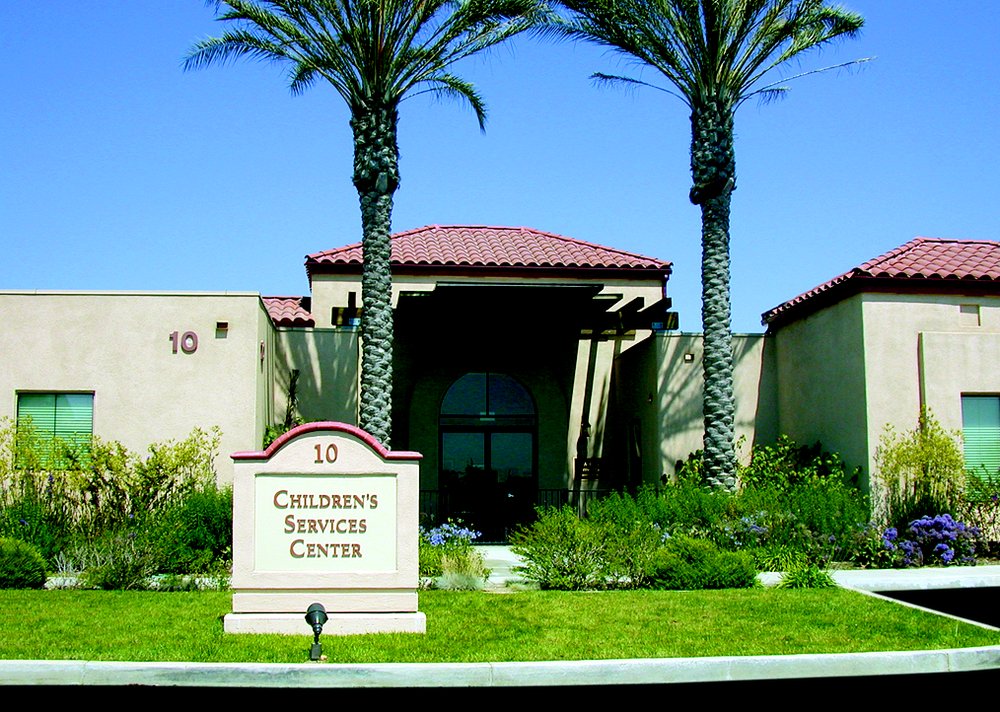
  • Because I chose to the extra 30 hours, there is not a lot physical evidence I could produce. I was able to sneak this picture of the PT gym in which I do my mentorship. However, because of confidentiality issues with patients, I am not allowed to be taking pictures with them or have them in pictures in general. I hope this picture is enough to show you that I do volunteer there and have been for my 30 hours. Also, my senior hours log can be referred to in the link above or on my blog.  I think the significance of these extra 30 hours is really big. Physical therapy isn't an easy topic, especially pediatric physical therapy. There's a lot to learn in a really short time, so I believe that these extra 30 hours I did really pushed me to learn as much as I can about this topic. 
3. Applied 
  • I think this component really helped me to understand the foundation of pediatric physical therapy better. Casa Colina, my mentorship place, is really big and there are a lot of people working there. I believe these extra hours I vowed to do really let me get the chance to familiarize myself with the area and therapists and fellow volunteers. This is extremely important towards the foundation of my project because you need to be able to work together with each other and also, get along. This independent component really got me comfortable with my mentorship place and I think going forward as I continue my mentorship, this will allow me to learn even more. 

Tuesday, February 2, 2016

Blog 15 - Lesson 2 Reflection

1. What are you most proud of in your Lesson 2 Presentation and why?
  • In my Lesson 2, I am most proud of my answer. I feel like I was able to really support my answer through a lot of different sources and because of that, my overall presentation was a lot stronger. I'm proud of the presentation as a whole with my activity and everything!
2. What assessment would you give yourself  on your Lesson 2 Presentation? Explain why you deserve that grade using evidence from the Lesson 2 component contract.
  • P/AE
    • I feel like I used my time very effectively! I had something to say/do throughout the entire presentation. I also cited not only one, but multiple sources that referred to my answer.  Overall, my presentation showed that my  in depth research and  was engaging/effective!
3. What worked for you in your Lesson 2?
  • I think in my Lesson 2, my activity really worked for me. It took me a good while to figure out what I was going to do for my activity, but once I found this one, I had no idea how perfectly it would tie into my answer. Because of that, I feel this really worked for me in my lesson 2 because it gave the rest of the class an example as to why my answer is my answer. 
4. What didn't work? If you had a time machine, what would you have done differently to improve your Lesson 2?
  • The only thing I struggled with was meeting the time requirement. I did meet it in the end, but it was stressful to think that I didn't have enough talking time at one point. When I practiced at home, I had a lot to talk about and actually talked for longer than I liked. However, when I actually went up there, I missed a lot and talked a lot faster. So if I had a time machine, I would talk slower if I could, just take a couple breaths , and relax so that I wouldn't have to worry about time so much. 
5. What do you think your answer  #2 is going to be?
  • I am not sure on what my answer #2 is going to be yet. But some ideas are: the positive attitude a physical therapist should have or the extent to which a physical therapist can work in a team. 

Wednesday, January 13, 2016

Blog 14 - Interview 3 Preparation

1. Who do you plan to interview? What is this person's area of expertise?
  • I plan to interview my mentor, Debbie Cheben. This person is and has been a pediatric physical therapist for 10+ years. 
2. Verify that you have called your interviewee to schedule an interview. What is the date and time of the interview?
  • February 2, 2016 at 3:50pm
3. Phrase an open-ended question that will help you find research resources that would help to answer the EQ.
  • What are the different types of limitations a child can be born with and how does that effect the physical potential they may possess?
4. Phrase an open-ended question that will help you think about other useful activities you might do to help you answer the EQ (IC2, possible experts to talk to, etc.).
  • What can the parent do to become more involved in the physical therapy process of the child/patient?
5. Phrase two open-ended questions that help you to understand your interviewee's perspective on an aspect of your EQ.
  • How do you know when the  child has reached their full physical potential?
  • How does a child born with limitations compare to one that has had an injury?

Thursday, January 7, 2016

Blog 13 - 10 Hour Mentorship Check-In


1. Where are you doing your mentorship?
  • I am doing my mentorship at Casa Colina Hospital and Centers for Healthcare. I work in the Children's Services Center.
2.  Who is your contact? What makes this person your expert?
  • My contact is Freda Godinez. This person is my expert because she has been a pediatric physical therapist for many years. She has a doctorate in physical therapy and has graduated from both UCLA and Cal State Long Beach!
3. How many hours have you done during the school year? 
  • During the school year, I have done about 13 hours. 
4. Succinctly summarize what you did, how well you and your mentor worked together, and how you plan to complete your remaining hours. 
  • I typically work in an Early Start class, Kid's Crew class, or a physical therapy session with my mentor. The classes comprise of different activities/lessons/playtime that incorporates physical, occupational, and speech therapy in the mix. The things I do range from working with the kids to cleaning toys/tables or making snacks, etc. My mentor and I work quite well together. There is not much I can do during a session with a patient because I cannot treat the patient myself, however, my mentor explains everything to me as much as she can and always answers any questions I may have! I plan to complete my remaining hours by coming in every Tuesday and Thursday every week to do Kid's Crew classes and physical therapy sessions!

Monday, January 4, 2016

Blog 12 - Holiday Project Update


1. It is important to consistently work on your senior project, whether it is break or we are in school. What did you do over break with your senior project?
  • During break, I continued to go to my mentorship and volunteer there as much as I could. I also looked and saved many different articles that I could use for future research checks! I know this will save me a lot of time during actual school weeks and I also had more time during break to actually thoroughly research specific articles. 
2. What was the most important thing you learned from what you did, and why? 
  • I think the most important thing I learned from what I did was that the senior project is not just something you can accomplish in a short amount of time. It is a long process that requires constant updating and working. I have had many obstacles thrown my way because I was not able to start volunteering up until a couple of weeks ago and time is definitely something I wished I had more of; however, I am learning, so I know I will be able to get it done!
3. Your third interview will be a 10 question interview related to possible answers for your EQ. Who do you plan to talk to and why?
  • I think for my third interview I plan to interview my mentor again because she is a PT and has had a lot of experience in the field. She also can relate to the questions I have because she told me she had the same questions when she was going to school. In this way, I hope to get even closer with her and I know she will share with me all the information she has. 


Friday, November 6, 2015

Blog 11 - Lesson 1 Reflection


1. What are you most proud of in your lesson, and why?
  • The thing I am most proud of from my lesson is the overall outline/organization for my presentation. I am glad that I was able to not only establish a smooth outline, but also tie everything together. I planned my lesson so that what I was talking about would relate to what I would be talking about next. For example, I talked about exercises and those exercises were in the pamphlets I brought/talked about next and the pamphlet showed exercises that had equipment in which I talked/showed next.  
2. What assessment would you give yourself on your lesson? Explain why you earned that grade using evidence from the component contract.
  • The assessment I would give myself on my lesson is a solid P+. I believe I earned this grade because there was no concern with volume/enunciation, body language/eye contact, and engagement of the audience/content clarity. I am more than certain I was loud enough and made eye contact around the whole classroom. I also do believe I got the audience to focus and my content was very descriptive and understandable. I have also earned this grade because my research was clear/concise, more than one publish research source was cited, my interview was mentioned, and I showed depth of this 3 month process. I did everything that was required of the P consideration and I believe I did quite well on this presentation as a whole. 
3. If you could go back, what would you change about your lesson? How can you use that knowledge to give a better Lesson 2? 
  • If I could go back, I would definitely do my hook better. Probably having someone break the chicken bone and me explaining exactly what the bone is comprised of was the better thing to do. I think I can use this knowledge to give a better Lesson 2 because this shows me that I actually need to do more research on the anatomy of the body because that is a big part of physical therapy. So, I hope to research and learn more about the actual science behind physical therapy.

Tuesday, November 3, 2015

Blog 10 - Interview 2 Reflection


1.  Please explain how you are spending your mentorship time (Is it at a workplace or somewhere else?) Are you shadowing? Are you able to do tasks that are meaningfully related to the topic? If so, what? Are there other people who are experts in the location?
  • My mentorship time will be spent at Casa Colina Hospital and Centers for Health Care. I am specifically working in the Children's Services Center. Here I will be volunteering in the "Kid's Crew" classes. These classes promote development for specific age groups of 3-15. I will also be able to shadow my mentor some days in physical therapy sessions of certain patients. I am able to do tasks that are meaningfully related to my topic because there are so many things that play a part in pediatric physical therapy. There are other people who are experts in the location because Casa Colina is a rehabilitation hospital. 
2. How did you find your mentor? How did you convince this person to help you?
  • My orientation director at Casa Colina referred me to my mentor. There was not much convincing I had to do to have this person help me. She is very nice is willing to help in whatever way she can towards my senior project.
3. How would you rate your comfort level with your mentor at this point in your relationship? How does this relate to the time you've spent so far at your mentorship with this person?
  • I am pretty comfortable with my mentor. She is really nice and I know I will grow even closer to her as my mentorship continues. I have not spent a lot of time at my mentorship YET, but once I do, I will learn a lot from her!
4.  What went well in this interview? Why do you think so? What do you still need to improve? How do you know? How will you go about it?
  • The interview was relatively smooth. There was no awkwardness or anything. I think I need to improve on actually engaging and comprehending in the interview rather than focusing on trying to get the questions done and totally miss what the interviewee is saying. I will go about this by trying to ask more natural questions and really focusing on the interviewee while he/she is talking. 
Link to Interview #2 Sound Clip: